
———————————————
In logistics, it is crucial that every detail is recorded and clearly understood by all participants in the process; otherwise, even a minor inaccuracy can turn into a serious problem. This is why documents play a key role: they explain exactly what is being transported, under what conditions, and at what price. One of these documents is the invoice. What it is, why it is needed, how it works, and why international trade cannot be imagined without it is well known by Dragon Logistics, a company that accompanies shipments around the world every day.
Features and types
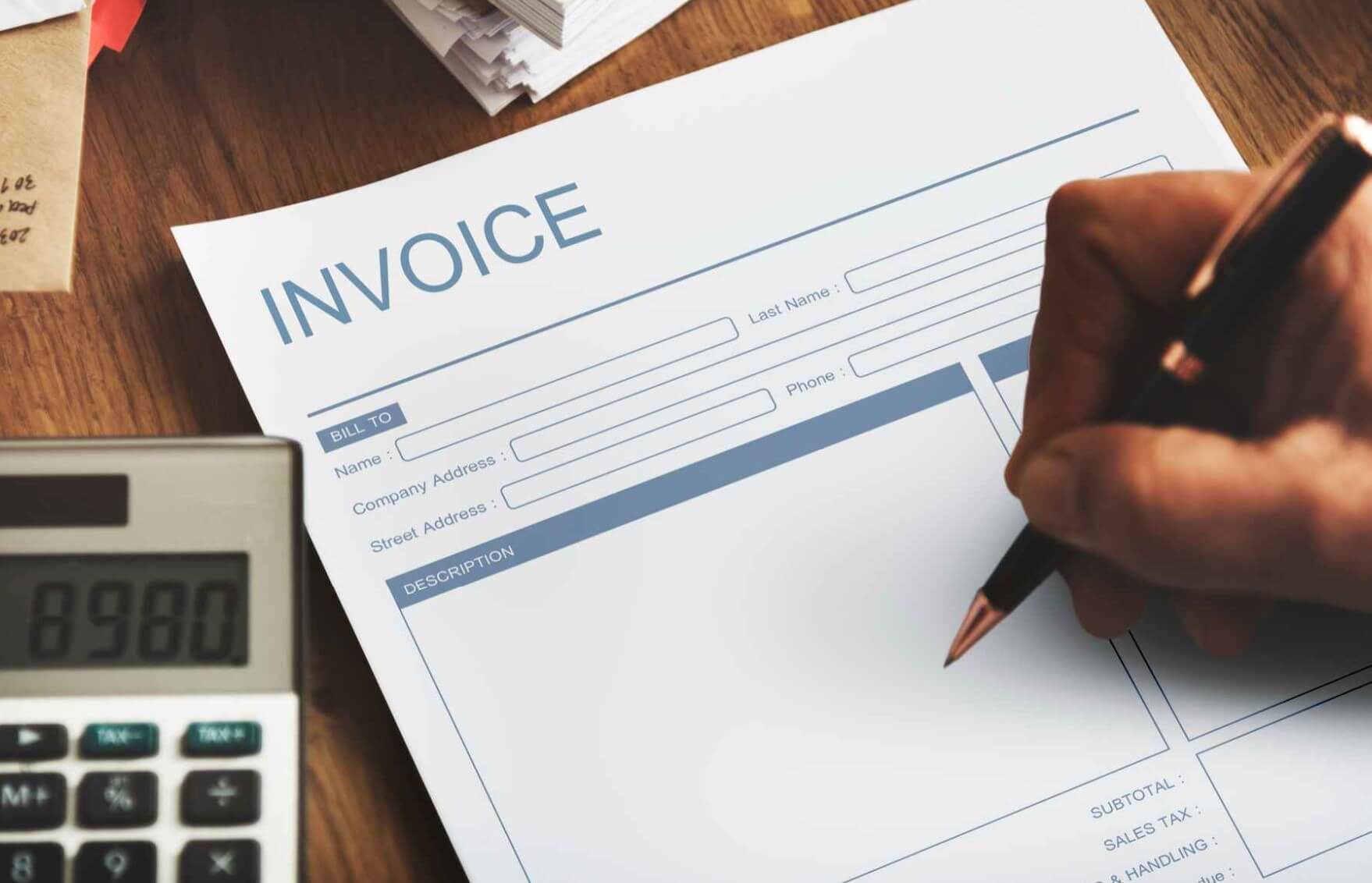
An invoice is the main commercial document that accompanies goods in international transactions. It serves as an official confirmation that the seller has issued the buyer a bill for specific goods under agreed terms. The document is required wherever goods cross borders, undergo customs clearance, and are involved in financial settlements between parties. It is important to understand that an invoice differs from a document known as a packing list. The invoice reflects the financial side of the transaction, while the packing list shows the physical contents of the shipment: number of packages, weight, and packaging.
In international practice, there are two main types:
- proforma invoice — a preliminary document prepared before shipment to record the price, assortment, and terms of the transaction;
- commercial invoice — the final document that accompanies the goods and is used for customs clearance and payment.
The invoice can be paid in various ways: by bank transfer, letter of credit, payment systems, or using deferred payment. The specific method depends on the agreement between the parties and the terms of the transaction, especially for international shipments.
How it is completed
The export invoice is prepared by the seller or their representative. It is usually issued on the company’s letterhead and sent to the buyer electronically or on paper. For many entrepreneurs, this first document may look like an ordinary paper, but in reality, it requires maximum accuracy and attention to detail.
The commercial invoice must include the following information:
- document number and date — required for unambiguous identification in accounting, during customs clearance, and in business correspondence between parties;
- name of the goods — specified as precisely as possible, without general or vague terms;
- detailed description of the products — includes the characteristics of the goods, their purpose, model, composition, technical specifications, or other distinguishing features, and records the actual quantity of goods delivered with units of measurement (pieces, kilograms, meters, etc.), which is important for calculations and customs control;
- currency — specifies the currency of payment, which allows for correct transaction valuation and avoids financial discrepancies;
- unit price and total value — forms the basis for payment and customs valuation;
- country of origin — specifies the country where the goods were produced, as this affects customs duties and trade preferences;
- country of shipment — indicates the country from which the goods are actually dispatched;
- full details of the seller and buyer — include official company names, addresses, contact information, and, if necessary, registration and tax information;
- date of issuance.
Essentially, a commercial invoice is the international equivalent of what is commonly called a bill or invoice in routine business practice, but it meets the requirements of international trade. Its correct preparation directly affects how quickly the shipment will be delivered.
How to avoid mistakes
From the buyer’s side, it is extremely important to carefully check all the information in the document before the transaction begins. Special attention should be paid to Incoterms, detailed product descriptions, exact specifications, and intended use. It is also important to verify the actual quantity of units and the clearly specified payment terms, whether prepayment or post-delivery settlement.
The invoice must fully match other documents such as the supply contract, packing list, certificates, and declarations. Even minor discrepancies can raise questions from regulatory authorities. If the document is filled out incorrectly, it may cause delays, fines, or even seizure of goods. Problems often occur when the invoice does not match the packing list or contains incomplete information about the transaction parties.
Working with professionals minimizes these risks to zero. With Dragon Logistics, which provides turnkey logistics solutions, all stages are pre-controlled, documents are checked before shipment, and any errors are eliminated even before delivery begins.