
———————————————
In logistics, it is crucial to organize transportation in a way that is as convenient, fast, and cost-effective as possible. One approach that helps reduce expenses and simplify delivery is cargo consolidation with careful planning at every stage of the process. This method allows for efficient supply management and ensures consistent results, and Dragon Logistics successfully implements it in its operations – a company recognized as one of the leaders in Ukraine in international transportation services.
Key Concepts
Cargo Consolidation is a common approach in the global logistics sector, and consolidating shipments from China has become an important part of international trade. This process involves combining small shipments from different clients into a single larger shipment. This optimizes transportation and makes it more convenient. The procedure is widely used in trade, e-commerce, manufacturing, and anywhere small shipments are regularly transported. By consolidating shipments, businesses can reduce the number of individual consignments and, as a result, lower the overall cost of the logistics chain.
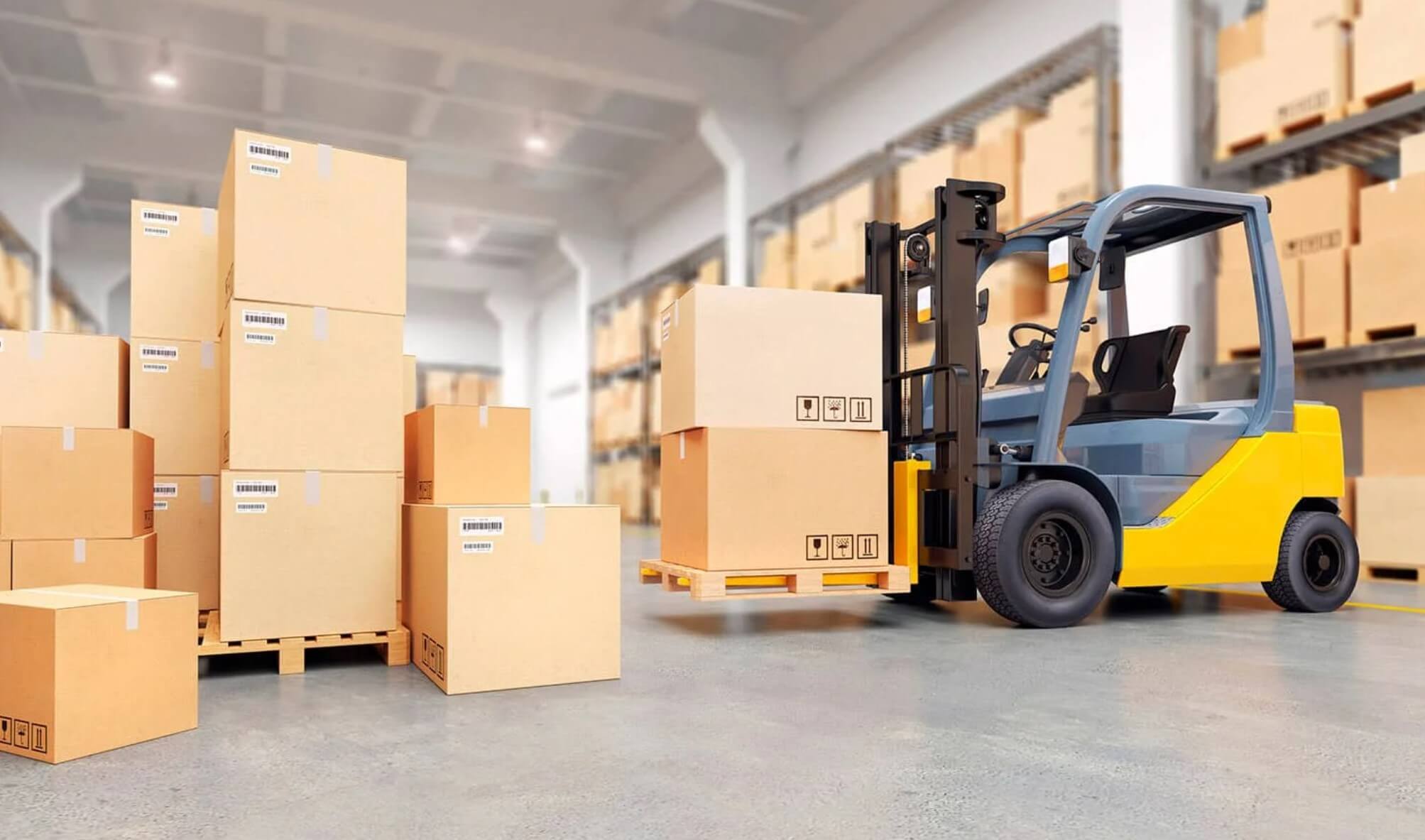
Consolidation is applied when it is necessary to select suitable transportation methods while complying with international shipping regulations. The process involves warehouses where goods are received, sorted, labeled, and combined into a single unit. Once preparation is complete, transportation is organized to ensure that all items arrive at the destination simultaneously and without delays. Customs procedures and subsequent deliveries to recipients are also carried out.
This approach is particularly beneficial for companies that need to receive various products in small batches without overpaying for separate shipments. As a result, delivery becomes more predictable and manageable, giving businesses the flexibility to plan supplies and optimize logistics processes.
Process and key functions
In the warehouse system, the process begins with the receipt of individual shipments from different senders by a logistics operator. Specialists check the condition of the cargo, allocate it to storage zones, and then form a consolidated load. This is not simply merging scattered boxes into one shipment but a complex logistics mechanism where each operation is interconnected. Successful execution requires coordinated work between suppliers, logistics professionals, and warehouse staff. Customs authorities and transport companies are also involved in the process.
Cargo consolidation typically involves the following stages:
- Receipt and inspection of shipments – When products arrive at consolidation warehouses, for example, in China, a detailed inspection is carried out: the number of packages is checked, packaging condition is evaluated, and any defects are recorded. Each item is assigned a unique label, and a detailed photo report is created and sent to the client.
- Sorting – To move cargo to specific zones, items are sorted by category and storage requirements. Identical items are grouped, and repackaging is performed if necessary to improve protection and reduce volume. Cargo is labeled according to logistics rules to avoid issues with customs.
- Formation of the shipment – Once all shipments from different suppliers are received, they are consolidated into a single shipment. Total weight and volume are calculated, positioning in the container or on pallets is optimized, and a single transport unit is created. Cargo is secured to meet the requirements of the chosen transportation method.
- Documentation preparation – Alongside warehouse operations, a complete set of documents is prepared, including packing lists and invoices. Data is entered into the tracking system, and documents are sent to the client or broker. Certificates and other additional documents are issued if necessary.
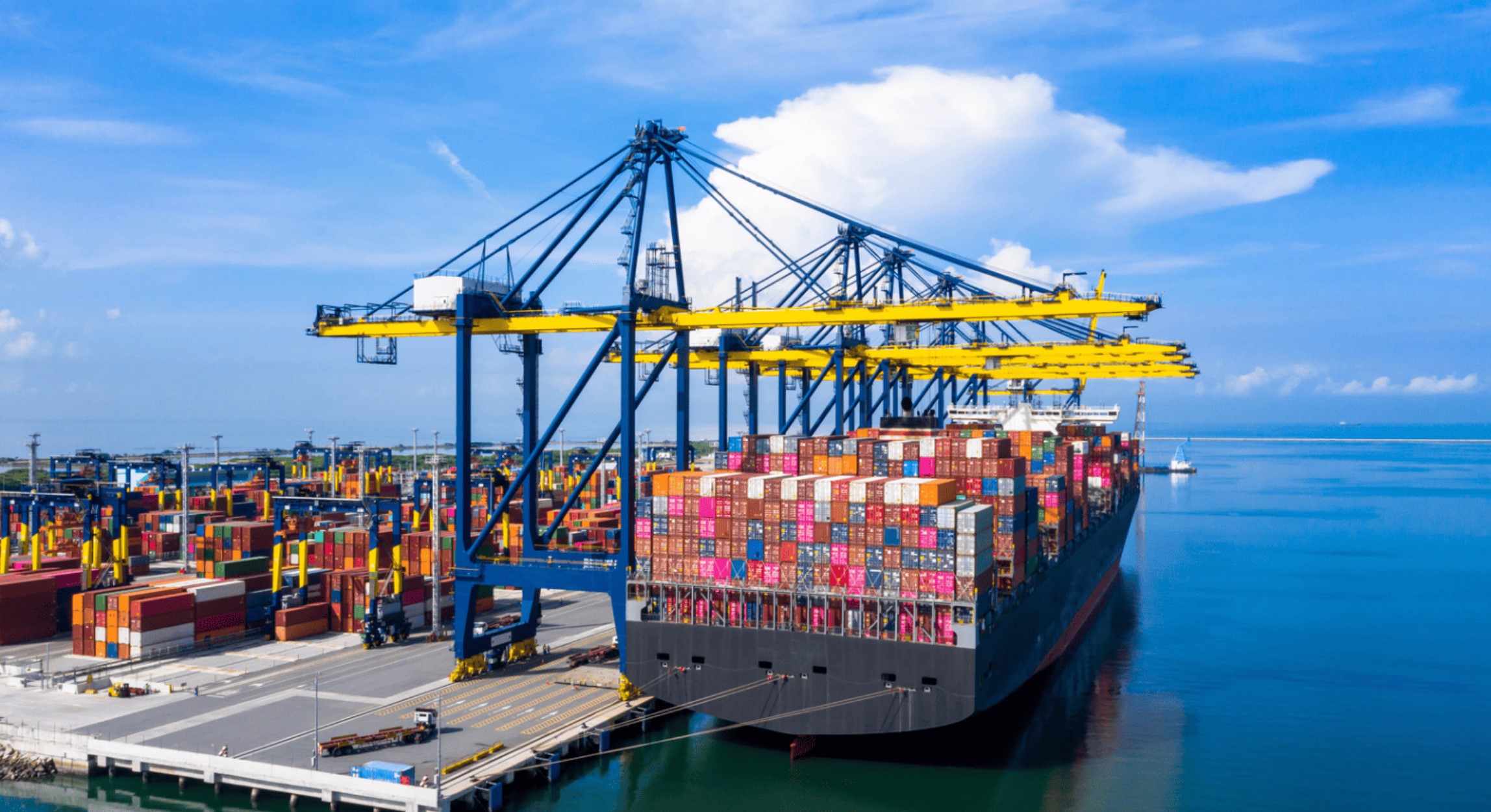
After all stages are completed, the consolidated shipment is sent to the port for loading. The client receives a tracking number, and the system updates the shipment status online. The coordinated work of warehouse staff, logistics specialists, and clients ensures a controlled and transparent transportation process.
Advantages of cargo consolidation
Consolidating shipments into one container provides several undeniable benefits, including:
- Cost savings – Entrepreneurs dealing with small shipments often face hidden expenses in international transportation. Multiple individual shipments incur additional costs for transportation, documentation, and broker services. Packaging, insurance, and fees are paid separately for each shipment. Consolidation allows clients to pay only for the actual occupied space, not the entire container, and share costs among multiple clients. Packaging, documentation, and insurance are handled once for the entire shipment.
- Speed and flexibility – Entrepreneurs frequently encounter delays due to waiting for full container loads, varying product readiness times, and limited schedules for consolidated shipments. Cargo consolidation follows a regular schedule. Shipments are received from different suppliers and stored until the consolidated shipment is formed without extra costs. The client can determine a convenient shipping time. Consolidation makes international transportation faster and more independent.
- Simplified documentation – Suppliers often send paperwork in their own format, sometimes with errors, or packing lists may be inaccurate or missing, complicating verification and slowing customs clearance. Each shipment typically requires a separate declaration. Consolidation simplifies documentation: a single summary invoice is prepared, packing lists are created based on actual packaging, and one declaration is submitted, speeding up procedures and reducing costs.
Additional benefits include enhanced safety and reduced risk. Packaging the entire shipment according to transportation standards minimizes damage risks, and documents are prepared once, following customs requirements, reducing delays and downtime.
Why Dragon Logistics?
When handling international consolidated shipments, it is essential to have a reliable logistics partner who takes full control of the process and ensures predictable results. Dragon Logistics is a company for which quality and responsibility are the foundation of operations. We provide comprehensive logistics services, including receipt, storage, packaging, and documentation, and accompany cargo at every stage.
Partnering with us ensures transparency at every step, an individual approach, and prompt support. By signing a contract, clients can be confident that our specialists will comply with all agreed terms, deadlines, and the safety of every item. Dragon Logistics is the partner you can trust when stability and reliability in the international logistics chain matter.